
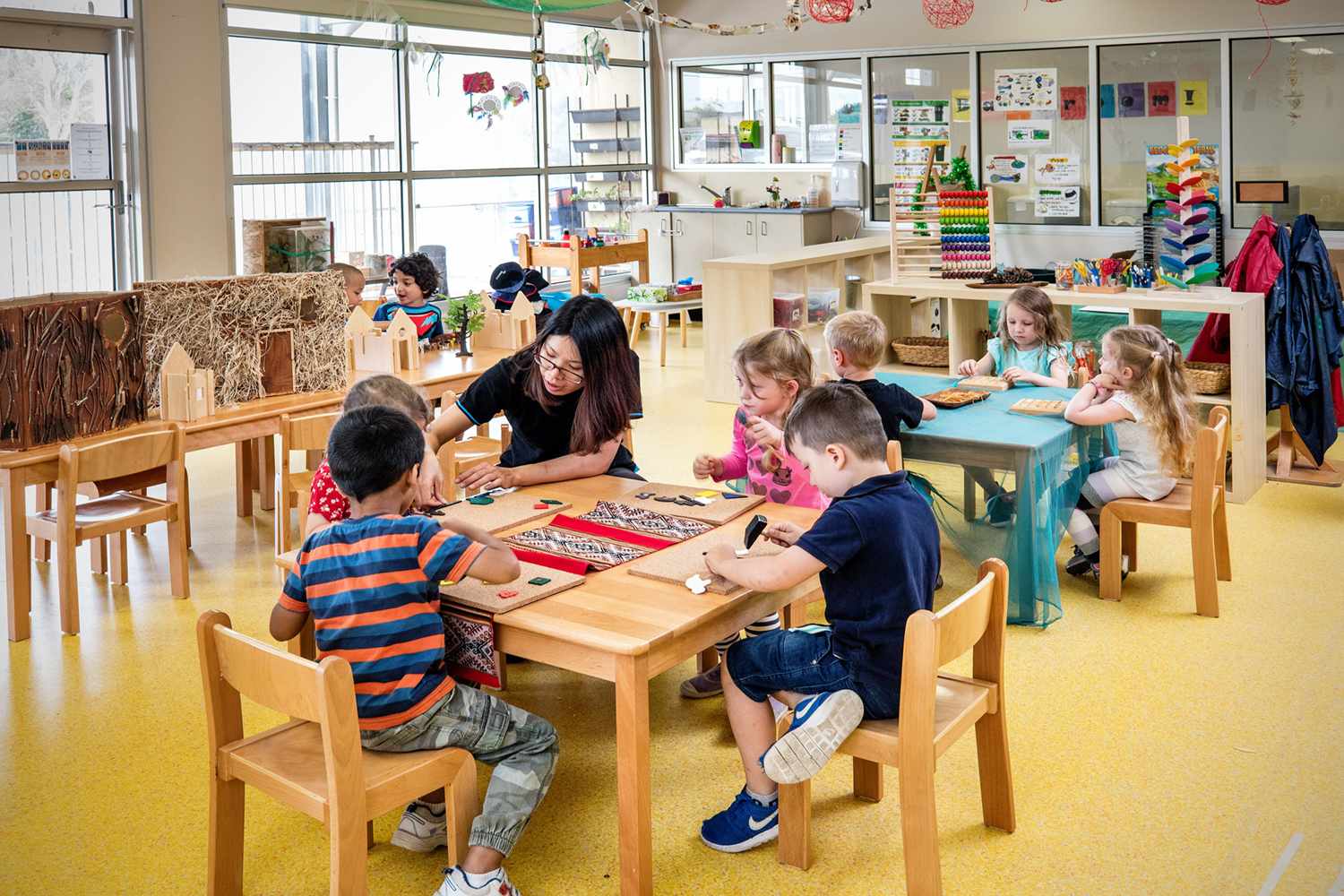
Choosing a childcare centre can shape your child’s quality of life for years to come, making it a daunting decision. With so many centres to compare, different philosophies to consider and a long list of “must-haves” running through your head, it’s easy to feel overwhelmed by the selection.
However, once you know what to look for, choosing a childcare centre becomes far less stressful. This guide explains the key features to look for in a centre and the most important questions to ask, giving you the peace of mind that you are making the best choice for you and your family.
Key Takeaways
- Tour during operating hours: Get a feel for the everyday environment and see how Educators interact with children.
- Check staff qualifications and turnover: Stable, qualified Educators create secure environments for children.
- Review centre policies: Ask to see policies on illness, emergencies, food, and flexibility, so you know exactly how the centre will support your family.
- Join waitlists early: Demand for childcare is often high, so register even if you’re not starting immediately.
Start With the People
At the heart of every great childcare centre are the people who care for your child each day. When you visit a centre, take time to observe how Educators interact with children.
Are they engaged, calm and attentive? Do they speak kindly and get down to children’s eye level? Do children seem comfortable approaching them?
Strong relationships between children and Educators are critical. Look for centres that prioritise stable staffing, professional development, family involvement and genuine connection with families.
“You can see when Educators truly know the children, their personalities, routines and interests. That’s what creates a sense of belonging,” the team from Guardian Camberwell
It’s also important to ask about educator qualifications, experience and staff turnover. Consistent caregivers help children feel secure, especially during those early weeks of settling in.
The Environment Tells a Story
A centre’s physical environment says a lot about how children learn and play there. As you walk through, notice how the space makes you feel. Is it welcoming and calm? Is there a sense of busy purpose, without feeling chaotic?
High-quality centres create environments that encourage children to explore, experiment and make choices. Look for a balance of indoor and outdoor spaces, with natural light, open-ended play materials, creative areas and places for quiet retreat.
Outdoor environments are just as important as indoor ones. Sandpits, gardens, water play, climbing spaces and natural elements support physical development and curiosity.
“The environment is like an extra teacher. When spaces are thoughtfully designed, children naturally engage, explore and learn through play,” the team from Guardian Sherwood.
What Does a Typical Day Look Like?
Every childcare centre runs a little differently, so it’s worth asking what a typical day looks like for children in your child’s age group. Is the day flexible and responsive, or highly structured? Is there time for outdoor play, creative experiences and rest?
Quality early learning programs are guided by children’s interests and curiosity, rather than rigid schedules. While routines are important for providing security, the best programs allow children to follow their interests and learn through real-world experiences.
Ask about the curriculum and how learning is planned and documented. A strong program supports social, emotional, physical and cognitive development through play.
Policies, Procedures & Peace of Mind
While it’s not the most exciting part of choosing a centre, policies matter. Clear, well-communicated policies help families feel confident and informed.
Take time to review policies around:
- Illness and exclusion periods
- Emergency and evacuation procedures
- Food, allergies and medication
- Behaviour guidance and wellbeing
- Operating hours and flexibility
Flexibility is especially important for working families. Ask about drop-off and pick-up times, casual bookings and how the centre supports families when plans change.
“Life with young children is unpredictable. Families need to know their centre understands that and can support them when things don’t go exactly to plan,” the team at Guardian Hornsby.
Healthy Food & Daily Well-Being
Nutrition plays a big role in children’s growth, energy levels and overall well-being. Some centres ask families to provide food, while others offer meals prepared on site.
Either way, it’s important to ask about menu planning, food quality and how dietary requirements are managed. Look for a balanced approach that includes a variety of food groups and accommodates allergies safely.
Shared mealtimes also support social skills, independence and healthy habits.
“Food isn’t just about eating. It’s about connection, routine and learning how to care for our bodies together,” the team at Guardian South Morang.
Take a Tour and Trust Your Instincts
One of the best ways to decide if a centre is right for your child is to take a tour. Seeing the centre in action gives you insight you can’t get from a website or brochure.
As you walk through, notice:
- Do children look happy and engaged?
- Do Educators know the children by name?
- Does the space feel safe and welcoming?
- Does the centre align with your family’s values?
It can help to prepare a list of questions before your visit, so you don’t forget anything important. Talking with the Centre Manager and Educators can also give you a sense of the centre’s values and culture.
Proximity and Practical Considerations
While quality should always be the priority, location does matter. A centre close to home or work can make daily routines smoother and reduce stress during drop-off and pick-up.
Think about travel time, parking, public transport access and how the location fits into your daily life. Less rushing often means calmer goodbyes — and calmer goodbyes benefit children too.
Don’t Leave It Too Late
Demand for childcare places can be high, especially in popular areas or for certain age groups. Even if you’re not planning to start childcare immediately, it’s a good idea to join waitlists early and stay in touch with centres in your local area as your plans evolve.
When you find services that match your needs, confirm your requirements regularly and keep communication open. It can make all the difference when you’re ready to secure your place.
How to Choose a Childcare Centre: A Parent’s Checklist
Visiting a childcare centre is your opportunity to really understand how the centre operates day-to-day, and whether the childcare services it offers feel right for your child and your family.
Understanding what makes a good centre and bringing a checklist of questions can help you compare options and find the right childcare centre for your family’s needs.
About the Centre
- What are your operating hours?
- How does drop-off and pick-up work each day?
- Do you offer casual care or additional days if our needs change?
- What care services do you provide?
- Has the centre been assessed under the National Quality Standard?
- What NQS rating did it receive?
- How do you keep families informed about what’s happening at the centre?
About the Educators
- What qualifications do your Educators hold?
- Will my child have a key Educator or consistent staff in their room?
- How do Educators build relationships with children and families?
- What is the staff turnover like at the centre?
- Do Educators receive ongoing training and professional development?
About Your Child
- How do you support children as they settle into care?
- How will you learn about my child’s day, learning and well-being?
- How do you support children with additional needs or individual requirements?
- How do you work in partnership with families around routines, sleep and care preferences?
About Early Childhood Education
- What does a typical day look like for children in this age group?
- What curriculum or learning framework do you follow?
- How do you support play-based learning and children’s interests?
- How much time do children spend outdoors each day?
- How do you prepare children for preschool or school transitions?
About Health, Safety & Well-Being
- What are your sick child and exclusion policies?
- How do you handle medical needs and medication administration?
- What emergency procedures are in place?
- How do you maintain hygiene and reduce the spread of illness?
- How do you support children’s emotional well-being and behaviour?
About Food & Nutrition
- Is food provided or brought from home?
- Can I see a sample menu?
- How are allergies and dietary requirements managed?
- How do mealtimes support healthy habits and independence?
Practical Considerations
- Is the centre easily accessible from home or work?
- What parking or transport options are available?
- What are the fees, and how does the Child Care Subsidy apply?
- Are there waitlists, and how far in advance should we enrol?
It’s Never Too Early to Register Your Interest
Finding the right childcare centre for your family takes time, and the best centres often have waitlists. That’s why it’s never too early to register your interest with Guardian Childcare.
Even if you’re still expecting, planning to return to work in a year, or simply exploring your options, getting in touch with us early gives you the best chance of securing the perfect place when you need it.
When you register your interest, our team will keep you informed about availability and what’s happening at your preferred centre. We’ll work with you to understand your family’s needs and timeframes and be here to answer any questions as your plans evolve.
Simply call us on 13 82 30, or book a tour at your local Guardian Childcare centre. We can’t wait to meet you!


